Health and Wellbeing Care: How Mobility Impacts Quality of Life
Mobility is a fundamental aspect of our quality of life, directly impacting our health and well-being.
In this article, we will explore how mobility impacts various areas of life, from physical and mental health to social interaction and access to essential services.
We will also address strategies to improve mobility and how technology and public policies can support this goal.
The Importance of Mobility for Health
Mobility, or the ability to move freely and easily, is crucial for physical and mental health. Not only does it allow for the performance of daily activities without restrictions, but it also directly influences our psychological state, providing a sense of independence and freedom.
Impact on Physical Health
Adequate mobility is associated with a lower incidence of chronic diseases such as obesity, cardiovascular diseases, and diabetes. The ability to move freely also contributes to maintaining muscle mass, strength, and flexibility, vital aspects for a long and healthy life.
Impact on Mental Health
Freedom of movement positively impacts mental health, reducing the risks of depression and anxiety. Mobility provides opportunities for social interaction, access to nature, and participation in recreational activities, all of which are essential for emotional well-being.
How Mobility Affects Quality of Life
Mobility is intrinsically related to quality of life, influencing everything from personal independence to access to health services and social opportunities.
Relationship Between Mobility and Independence
The ability to move without restrictions is fundamental to individual autonomy. This includes the ability to perform daily tasks such as shopping and personal care without depending on others.
Mobility and Access to Health Services
Adequate mobility is crucial for accessing health services, allowing for regular visits to doctors and therapists. This is especially important for people with chronic conditions that require ongoing monitoring.
Mobility and Social Interaction
The ability to move freely facilitates social interaction, community engagement, and participation in leisure activities. These are important components for mental health and a sense of belonging.
Barriers to Mobility
Various factors can limit mobility, from health conditions to environmental and psychological barriers. It is important to recognize and address these barriers to improve quality of life.
Environmental Factors
Architectural barriers, such as stairs without wheelchair access and uneven sidewalks, pose significant challenges. The lack of accessible public transportation also limits the mobility of many people.
Health Conditions Limiting Mobility
Chronic diseases, injuries, and disabilities can restrict mobility. Addressing these conditions through treatment and rehabilitation is essential for improving mobility.
Social and Psychological Barriers
Prejudices and stigmas associated with disabilities can discourage individuals from seeking help or participating in social activities. Additionally, fear of falling or getting hurt can limit mobility, especially among the elderly.
Strategies to Improve Mobility
There are various strategies to improve mobility, from physical exercises to the use of assistive technologies and adaptations in the home environment.
Exercises and Physical Activities
Adapted exercise programs can significantly improve mobility by increasing strength, flexibility, and balance. Activities such as swimming, yoga, and walking are particularly beneficial.
Use of Assistive Technology
Assistive devices such as walkers, wheelchairs, and prosthetics can provide greater independence. Modern technology also offers innovative solutions such as exoskeletons and electric mobility devices.
Adaptations in the Home Environment
Simple modifications in the home can make a big difference in daily mobility. This includes installing grab bars, ramps, and non-slip flooring.
Impact of Reduced Mobility on Mental Health
Reduced mobility can lead to feelings of isolation, depression, and anxiety. It is crucial to address these psychological aspects by offering emotional support and adaptive coping strategies.
Feelings of Isolation and Depression
Difficulty accessing social activities and services can result in social isolation, contributing to depression. Support from family, friends, and healthcare professionals is vital in combating these feelings.
Coping Strategies
Coping techniques such as therapy, support groups, and hobbies can help individuals deal with mobility limitations. Maintaining a positive attitude and focusing on what is possible to accomplish are key aspects of mental health.
The Importance of Prevention
Prevention is essential for maintaining mobility and preventing future problems. This includes regular health assessments, education on healthy practices, and adopting an active lifestyle.
Regular Health Assessments
Regular check-ups allow for early detection of conditions that may affect mobility. This facilitates early interventions and long-term health maintenance.
Health and Mobility Education
Being informed about factors affecting mobility and how to prevent problems is crucial. This includes knowledge about exercises, nutrition, and the proper use of assistive devices.
Technology and Innovation in Mobility
Technology plays a crucial role in improving mobility. Innovative devices and digital platforms offer new possibilities for independence and quality of life.
Mobility Assistance Devices
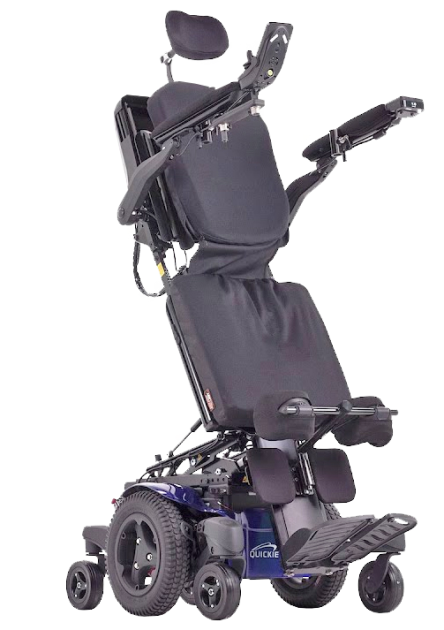
Advanced technologies such as motorized wheelchairs and smart mobility devices are transforming the lives of many people. These solutions increase autonomy and facilitate access to various environments.
Applications and Digital Platforms
Health and wellness apps, urban mobility platforms, and telemedicine solutions are making healthcare more accessible and personalized.
Healthcare and Well-being
Caring for health and well-being is essential for maintaining mobility and quality of life. This includes not only the prevention and treatment of health conditions but also the promotion of an active and healthy lifestyle.
Mobility is a key piece for health and well-being, directly influencing our quality of life.
Overcoming barriers to mobility, whether through exercise, technology, or community support, is essential to ensuring independence and social participation.
Success stories demonstrate that, with determination and the right resources, it is possible to overcome challenges and significantly improve mobility, and therefore, quality of life.